Más Allá de lo Normal · Translated from Spanish
The art of Colombian craft chocolate
The journey behind Kakaówa
By Carolina Forero
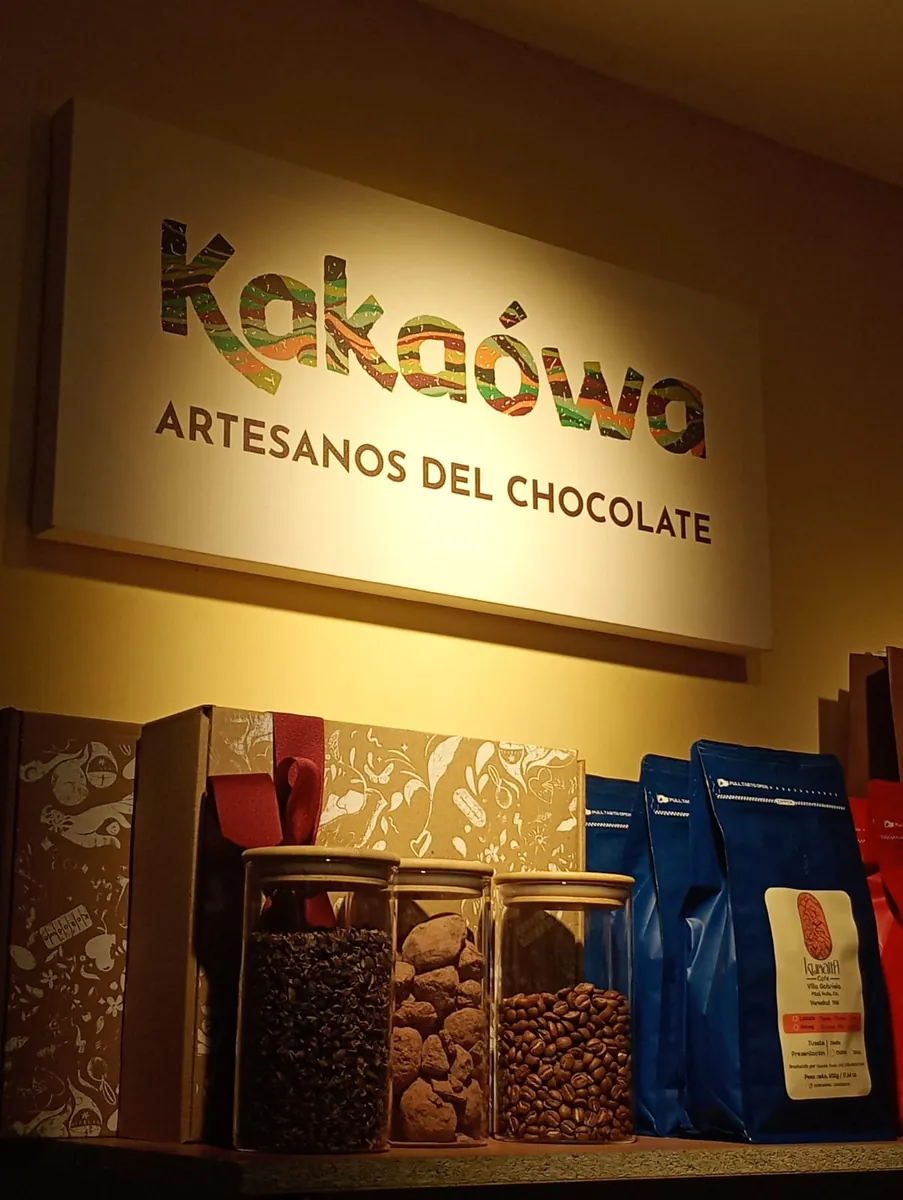
Photo: Carolina Forero
My discovery
All my life I had tried different kinds and brands of chocolate, and I dreamed of traveling to Switzerland or Belgium one day to taste the best chocolate in the world. I imagined how happy I would be wandering through a land made almost entirely of chocolate, discovering flavors I had only ever known through a wrapper.
But one fine day, on Instagram, I came across Kakaówa’s account.
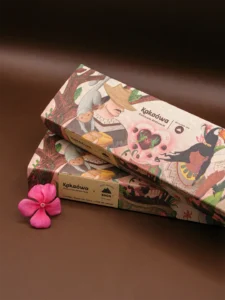
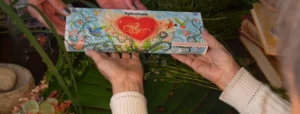
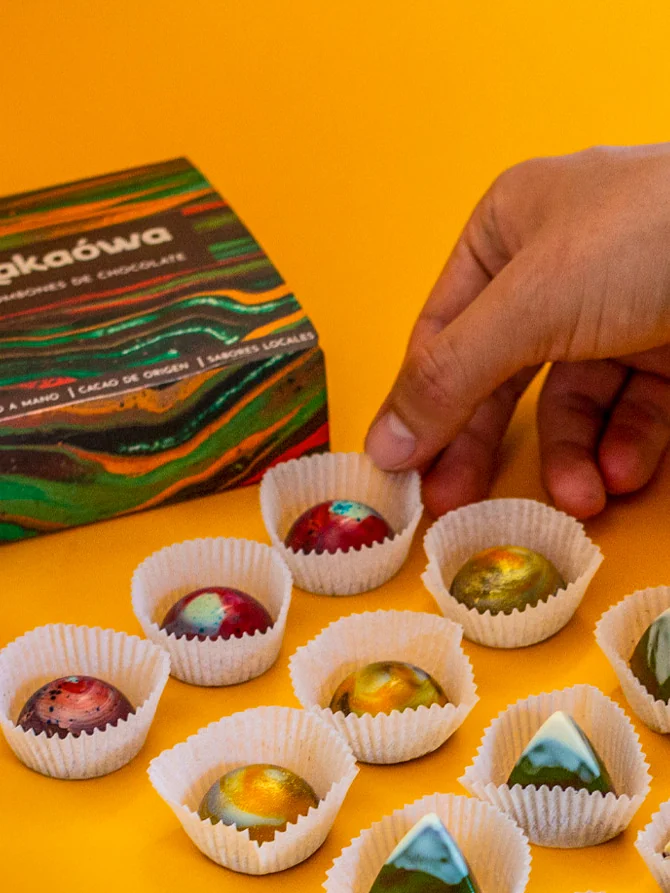
I saw colorful bonbons, artistic decorations and boxes that seemed made to become a special gift. I stopped to look, I read, I did a little research, and something drew me to that brand: the way it told the story behind its products.
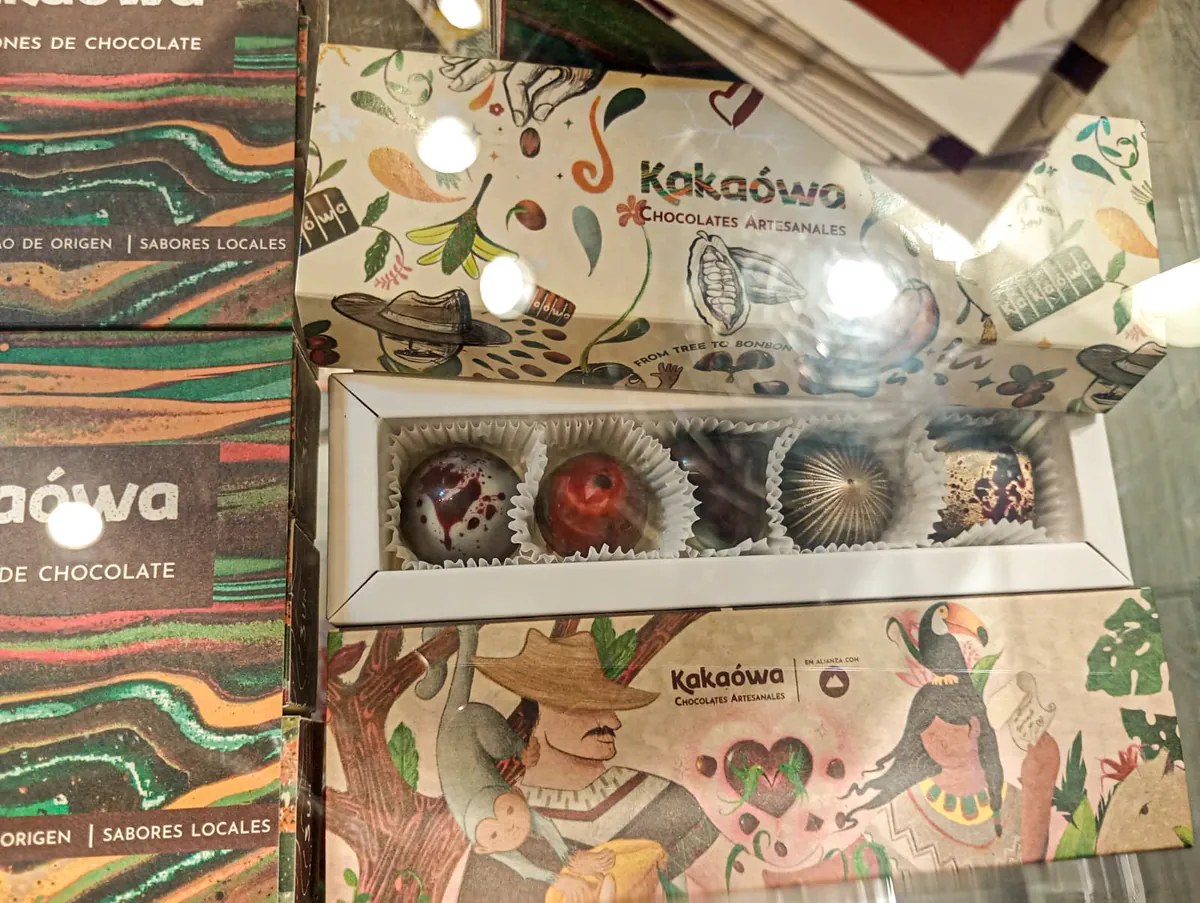
I wanted to know more. I wanted to discover what lay behind those chocolates that, until then, I could only look at through the screen of my phone or my computer.
And that is how my discovery began.
The apprentice and his chocolate heart
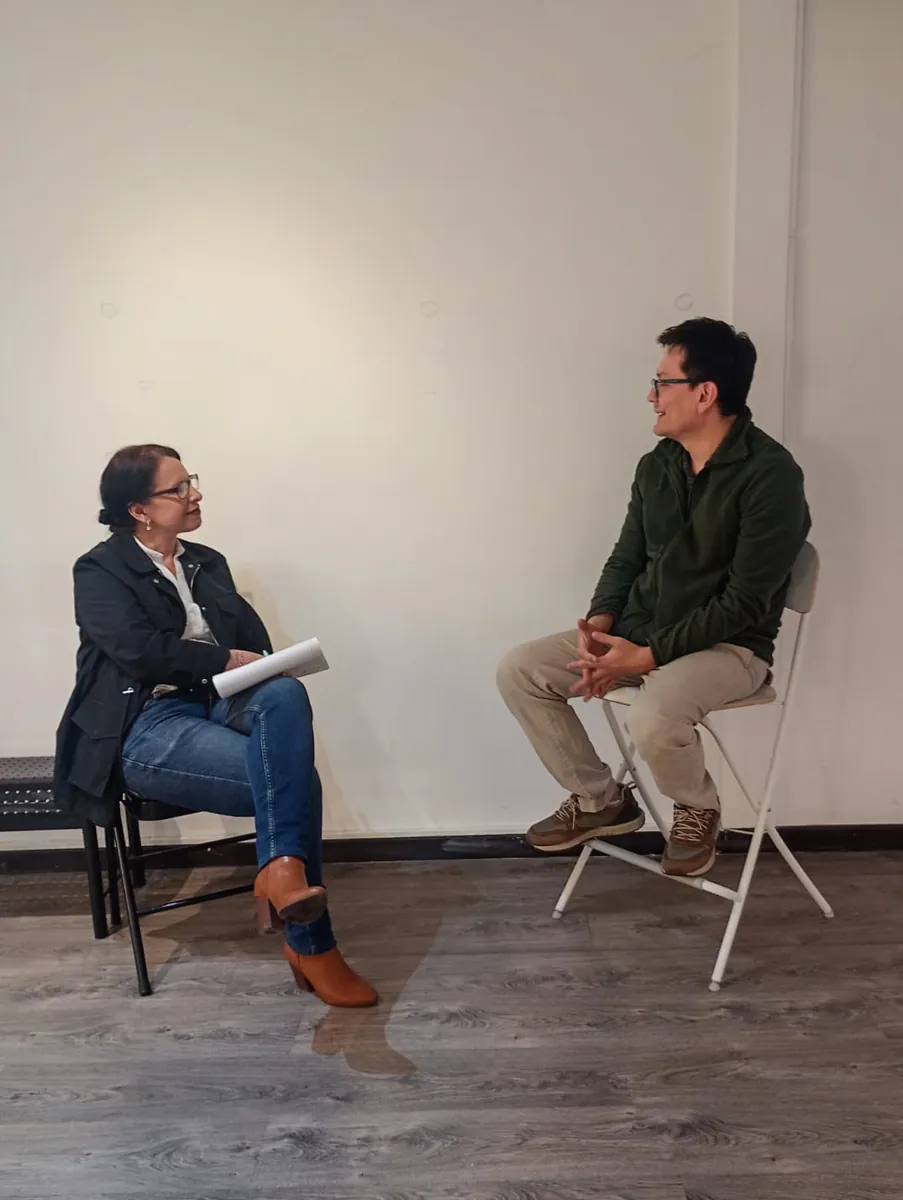
That is how I met Felipe, the man behind Kakaówa.
Talking with him, I opened a door to a universe I hadn’t known until then. I began to question an idea I had carried with me for so many years: that Switzerland and Belgium were the obligatory destinations for anyone who wanted to know the best chocolate in the world.
Felipe taught me something I had never stopped to think about: Colombia grows cacao, while countries like Switzerland and Belgium are known for their chocolate-making traditions.
How could I have spent so long dreaming of traveling to other countries to discover chocolate, without ever stopping to get to know the fruit that grows in my own land?
In Huila, among the cacao fields, Felipe got to know that fruit hand in hand with his grandfather. His grandfather had planted the first cacao trees and, without knowing it, he was also planting something that would grow over time: the beginning of a story that, years later, would give life to Kakaówa.
I picture Felipe walking through the fields beside his grandfather, watching, asking questions and learning little by little.
And it occurs to me that, as he learned, Felipe’s heart was beginning to turn into a chocolate heart.
Metaphorically, of course.
Felipe is an industrial designer. What could happen when a designer met a fruit with so many possibilities?
The apprentice began to explore new ways of working with chocolate. He brought his two worlds together: design and cacao. He experimented with flavors, shapes and colors, and he told me that, as he did, he felt like a child again.
And how lovely it is to discover that someone can gain experience without losing the thrill of exploring something new!
The expert still carried the apprentice inside him.
A new direction
Until then, my idea of chocolate had been tied to the countries I had dreamed of visiting. But as I listened to Felipe, I began to look somewhere else: Huila, its cacao fields and Colombian soil.
I discovered that behind cacao there is a world of possibilities, one that Felipe explores through his knowledge, his experiments and his creativity.
How beautiful it is to live in a country whose biodiversity we still have so much left to discover!
Switzerland and Belgium are still places I would love to visit. But something had changed in me.
Now I dreamed of visiting the cacao fields of Huila. I wanted to see the trees with my own eyes and imagine Felipe walking beside his grandfather, learning from a fruit that would end up becoming an essential part of his life.

My dream had changed direction.
I no longer wanted to discover chocolate only in the place where it is transformed. I also wanted to know the place where its story begins.
A blackberry bonbon
After hearing Felipe’s story, there was still another part of Kakaówa left for me to discover: the place where his creations met the people who would enjoy them.
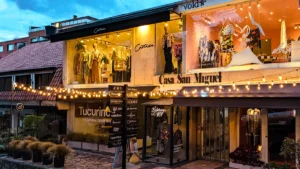
I arrived at Calle de los Anticuarios, the “street of the antique dealers” (I thought that even the name sounded like something out of a fairy tale), at Calle 79B # 7-30. At last, I found Kakaówa.
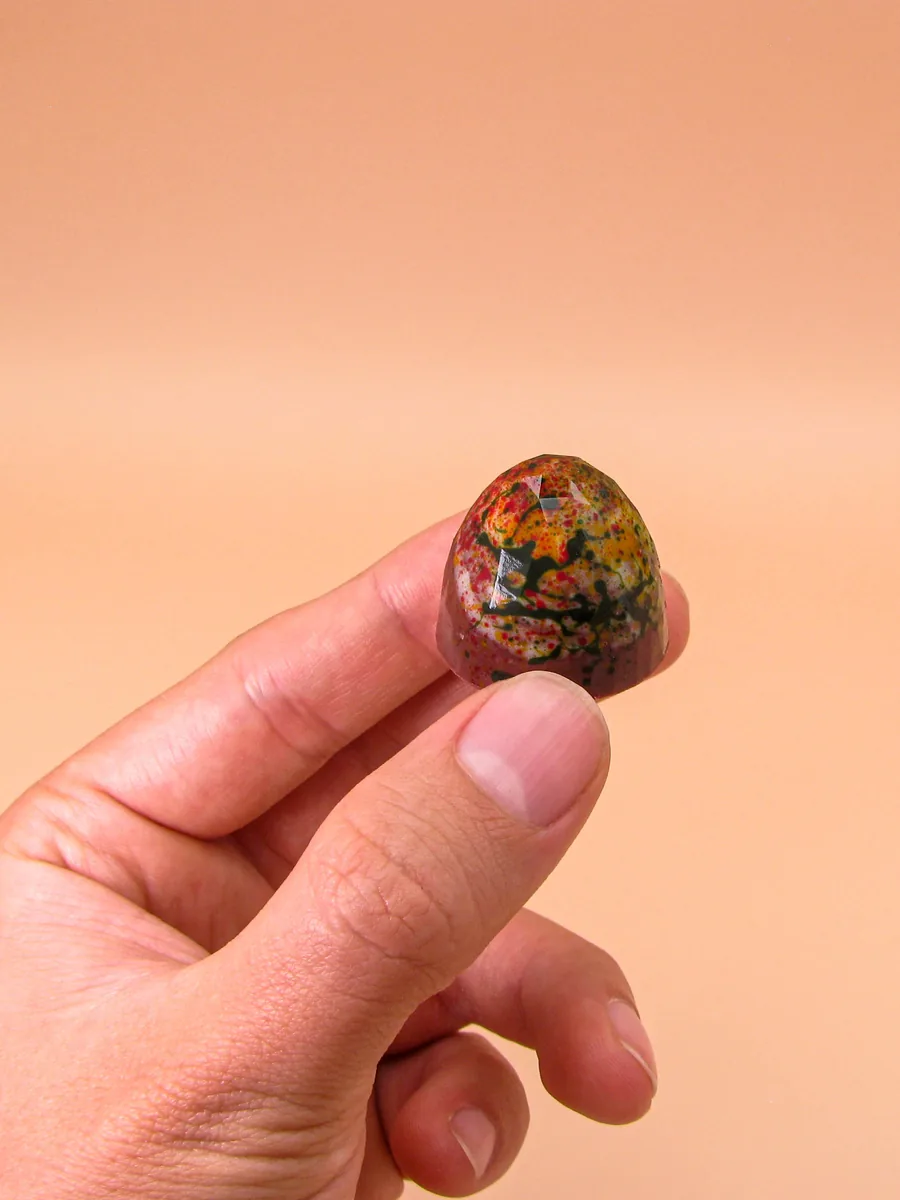
The shop was lit with a warm light that made everything feel intimate and cozy. In front of me was a display case that seemed to be speaking to me. There were Felipe’s creations: bonbons of different shapes and colors, red, brown, blue, green and yellow.
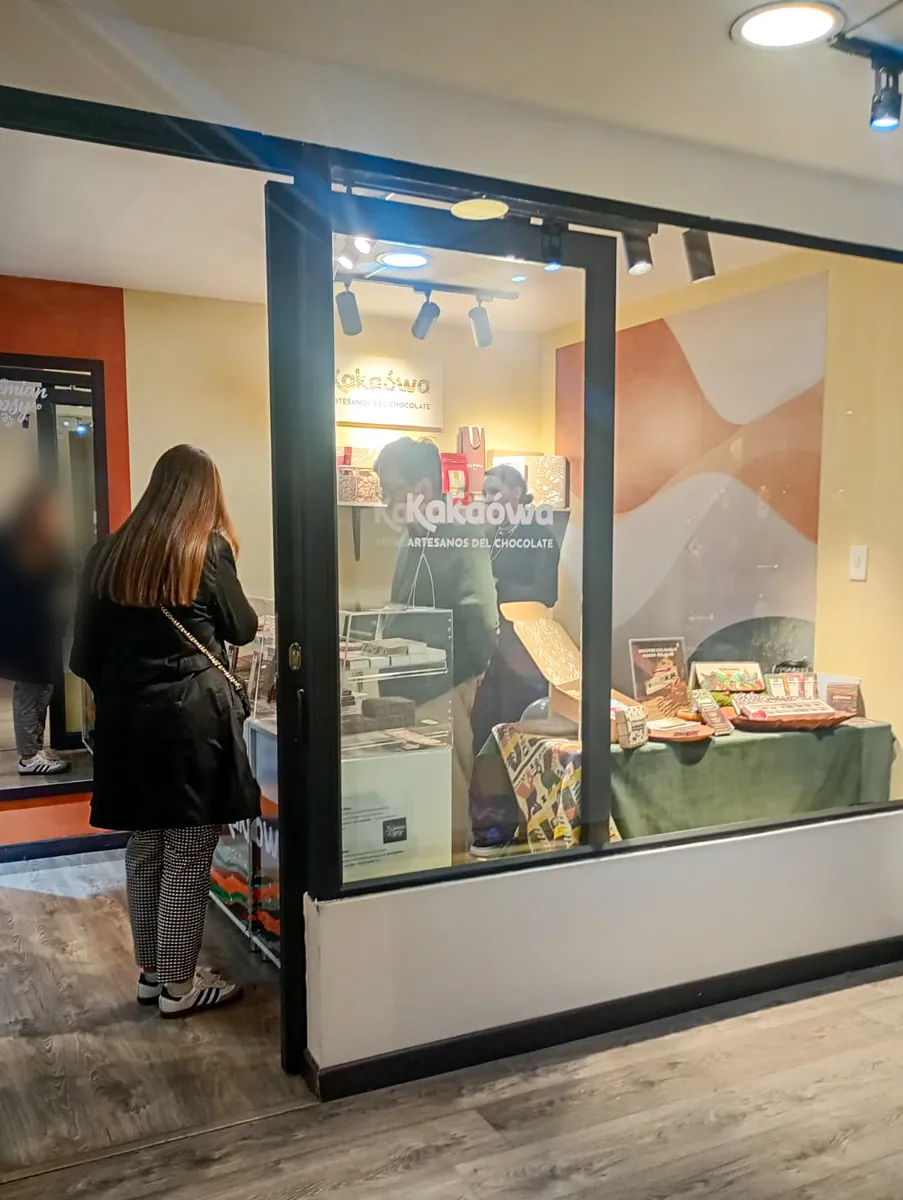
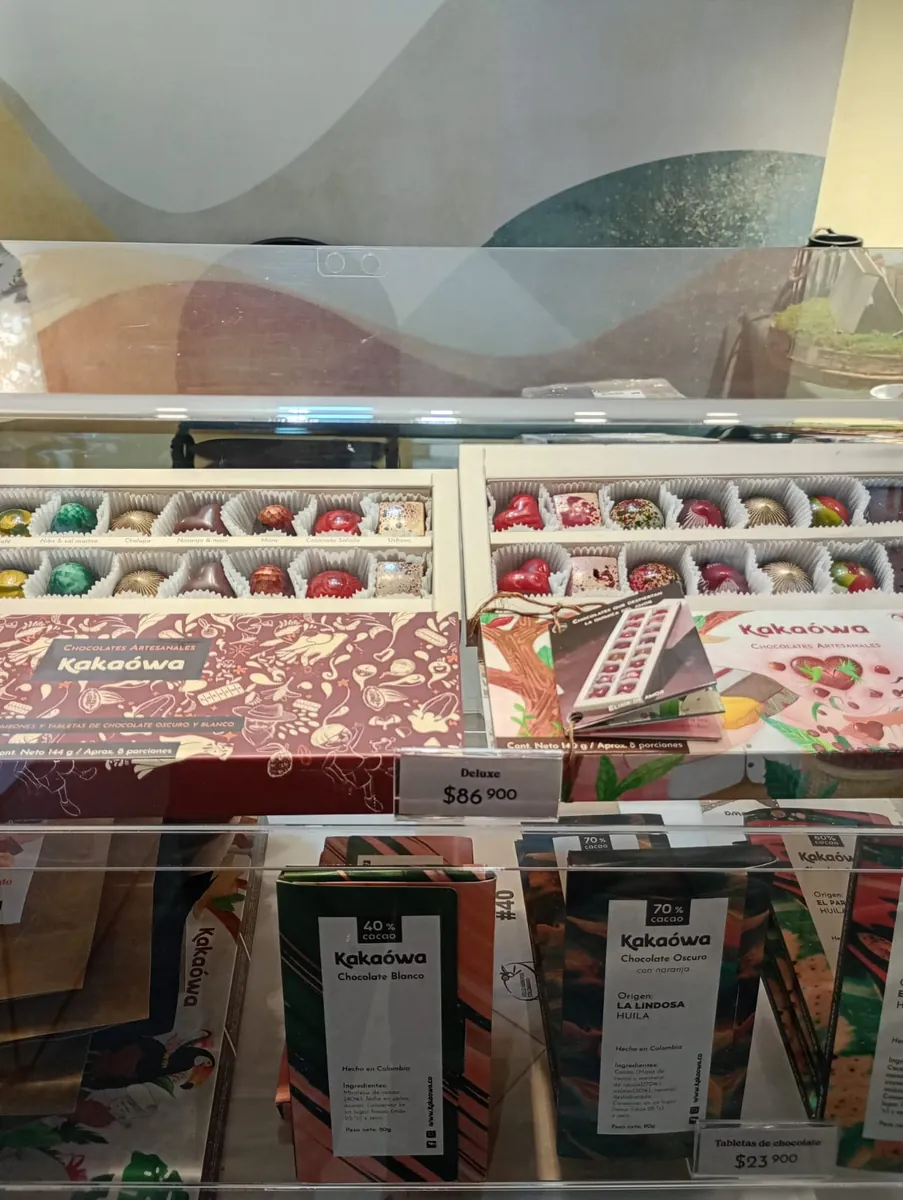
I already knew something of the story behind them. Now I could see the result.
And then came my favorite moment: tasting.
Felipe offered me a blackberry bonbon and I felt transported through the whole process he had been telling me about. I understood that the expert had created his own chocolate universe. And this particular bonbon connected with me.
There was something special in the combination of the smoothness of the chocolate and the tartness of the blackberry. The art of eating something that was beautiful not only on the outside but on the inside, too.
How can something you eat taste “beautiful”?
I couldn’t find any other way to describe it.
That bonbon held the cacao, Felipe’s creativity, his knowledge and his sensitivity. It also held the story of a piece of Colombian land that, until then, I had never imagined as the beginning of such an experience.
I closed my eyes and savored the flavors.
I didn’t want it to end.
I confess that, while I was enjoying it, I thought about buying a whole box and hiding from everyone to savor every bonbon from start to finish. Ha!
Eating slowly
As I left Kakaówa, I understood that its chocolates told a story that went far beyond their flavors.
They spoke of Colombia, of the cacao that grows in its soil and of Felipe’s creativity. But they also made me think about something we sometimes forget: that we can slow down.
Kakaówa made me think that a chocolate can become an invitation to pause.
To look at it. To read its story. To imagine the cacao fields, the trees of Huila and Felipe’s hands experimenting with flavors and shapes. To discover its details and, finally, to taste it unhurriedly, paying attention to its flavors and textures.
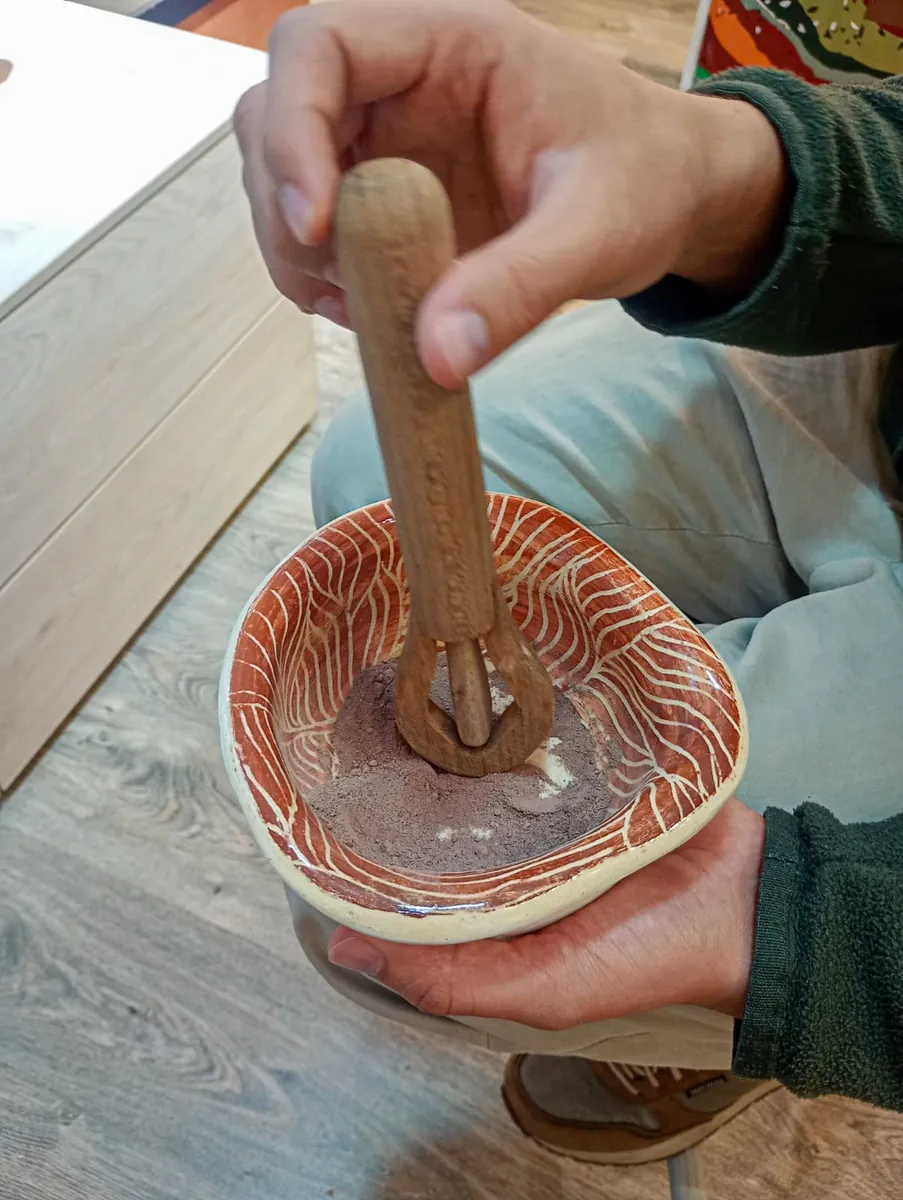
It’s not just about eating something delicious. It’s about connecting with what is in front of us and allowing ourselves to enjoy it fully.
When I arrived at Kakaówa, I believed the best chocolate in the world was far away, somewhere in Switzerland or Belgium.
Today I know that I still have a lot to discover, and that part of that discovery can begin right here, in Colombia, among the cacao fields of Huila.
Because sometimes all it takes is opening a door, meeting someone and stopping to listen to discover that what we thought we knew had much more to tell us.
And now I understand a little better what Felipe told me: coming to Kakaówa means becoming a child again as you explore the flavors. Feeling once more that sense of play he experiences himself every time he turns cacao into pure art.
Because behind every bonbon there may be much more than we imagine.
This story describes my own experience at Kakaówa, but if you would like to come and taste for yourself, I invite you to let yourself be surprised by the colors, the creations, the designs and the flavors that began on a farm in Huila.
Stop by its display case at Calle 79B #7–30, Local 5, let its colors and shapes surprise you, listen to the stories behind its creations and, when the moment comes to taste, do something different: stop, close your eyes and enjoy.
Because, in the end, the magic isn’t only in what you taste, but also in everything you discover when you decide to do it differently.
Visit the shop
Come and taste it slowly
Kakaówa, Calle de los AnticuariosCalle 79B # 7-30, Local 5, Bogotá
Get directions- Taking Colombian chocolate home as a gift or a souvenir of your trip?Colombian chocolate to take home
- Can’t make it to the shop?We deliver to your door in Bogotá
About the author
Carolina Forero
She writes Más Allá de lo Normal (in Spanish): stories about what we don’t see at first glance. Follow her at @masaalladelonormal.